Walking safaris
The bush, on foot
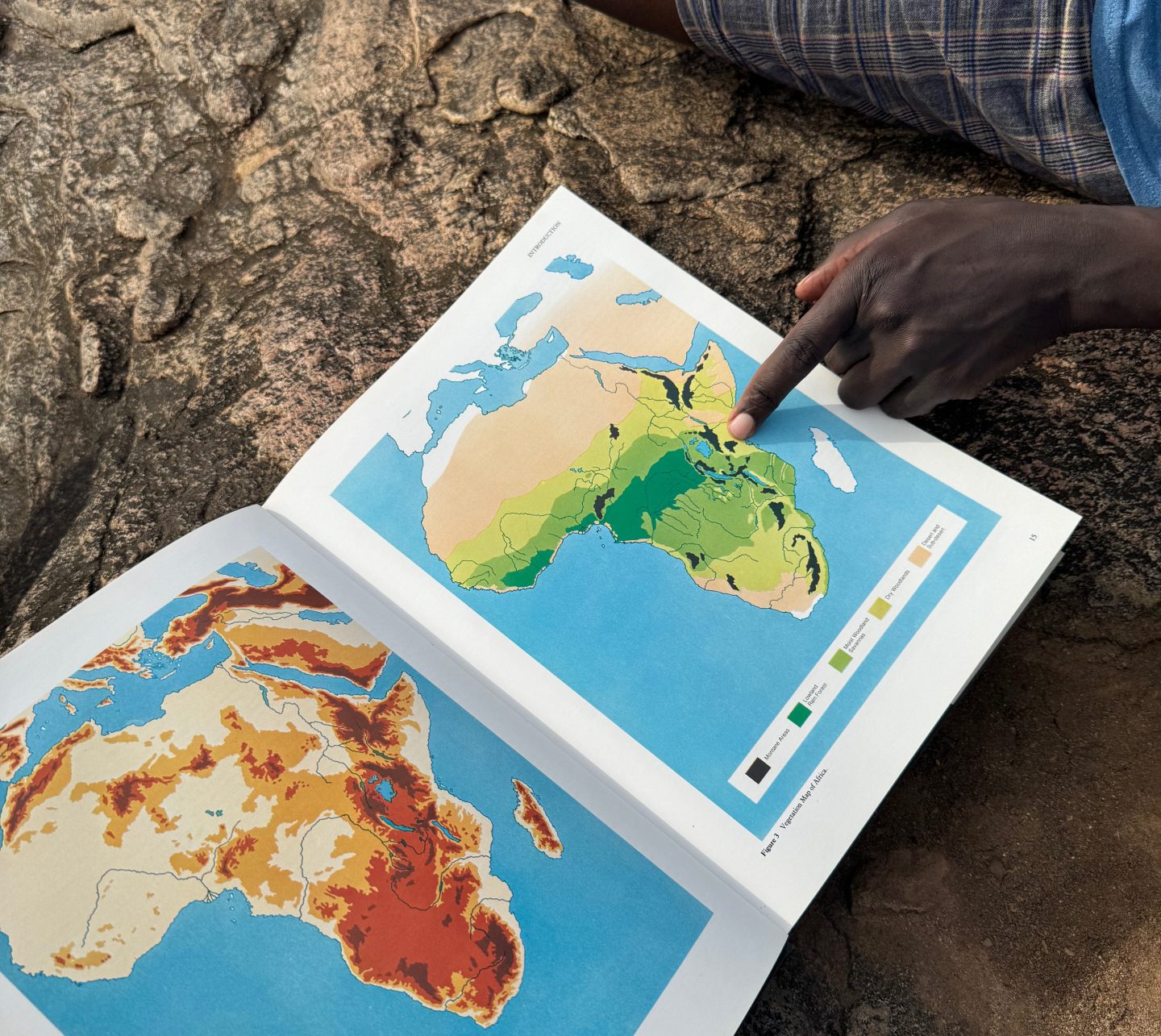
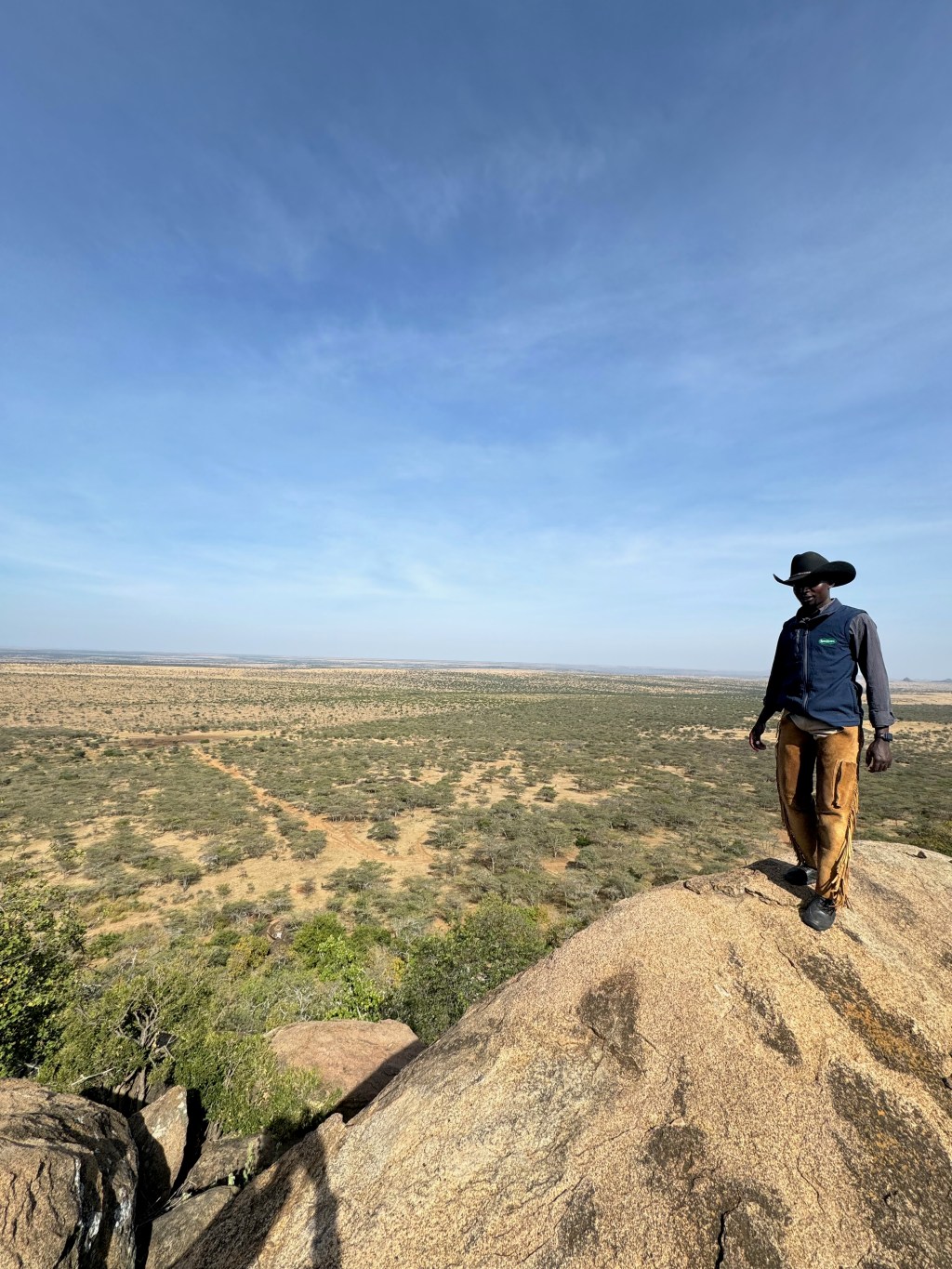
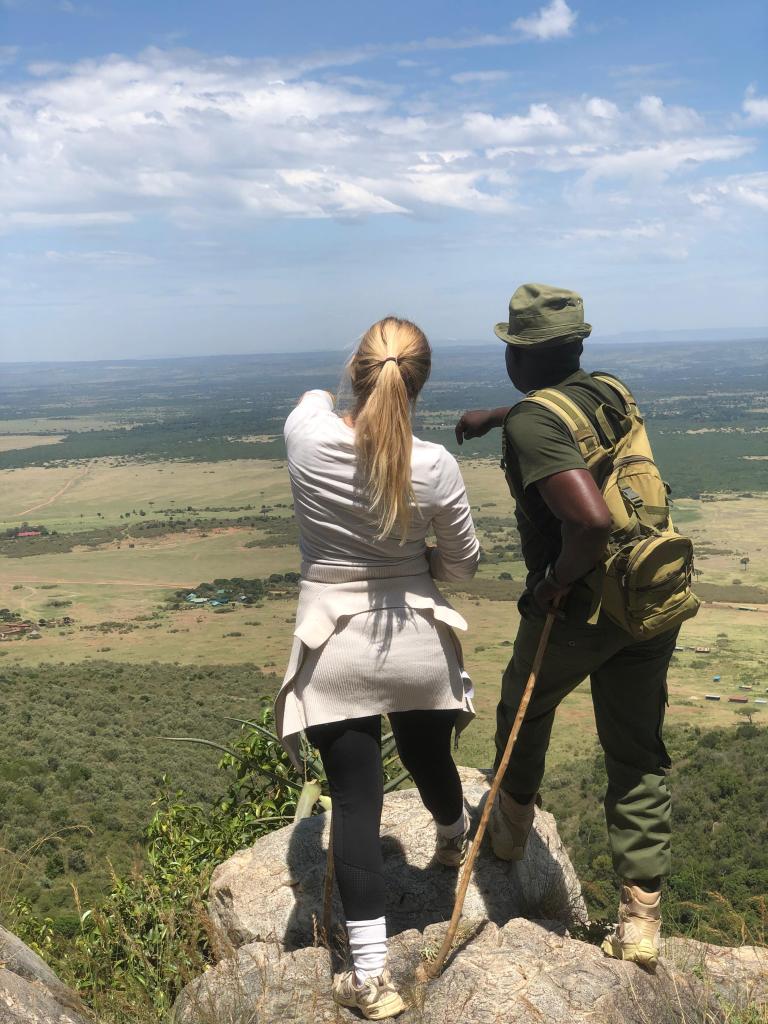
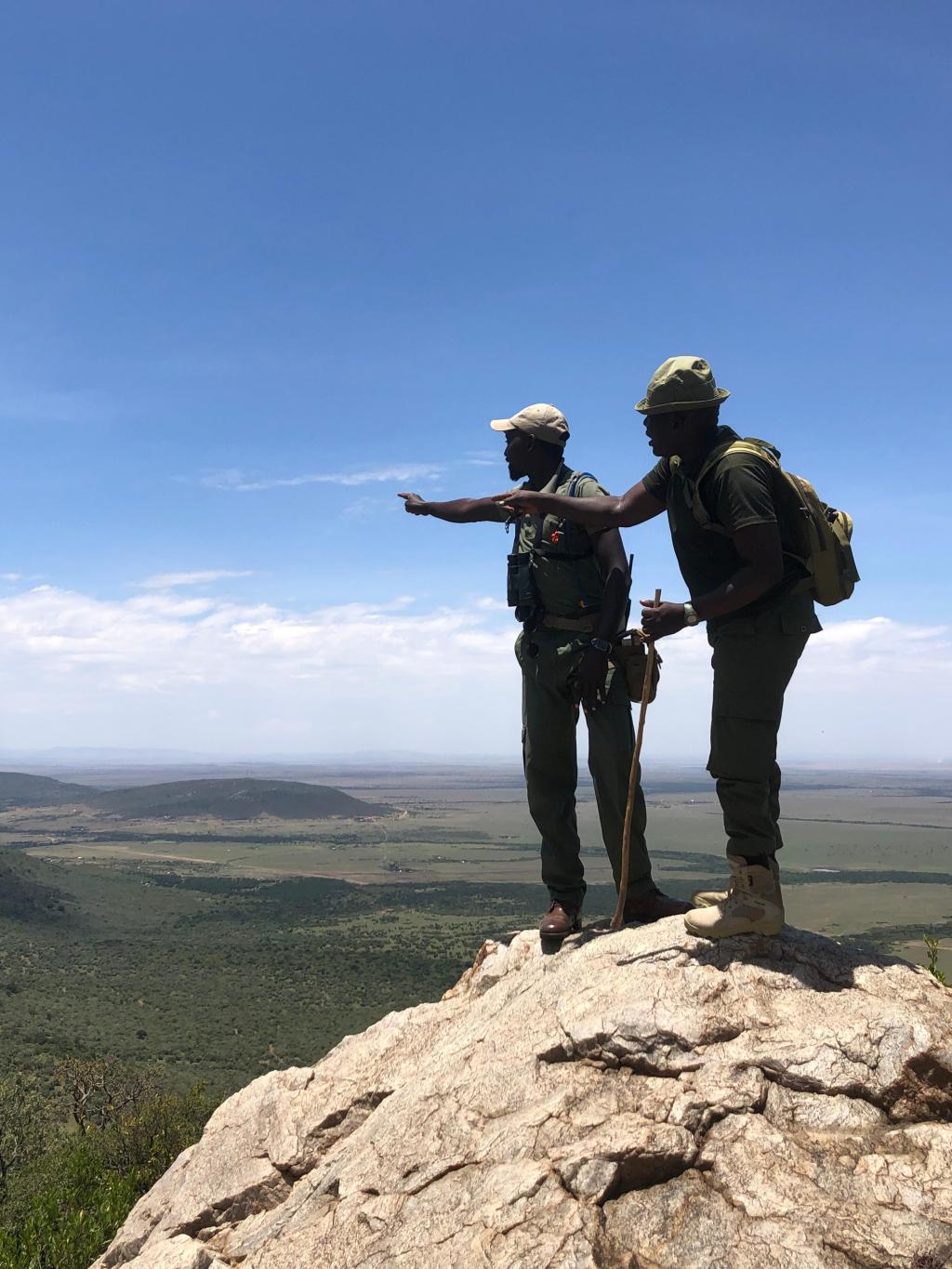
No engine and no windows. Just you, John and the tracks left on the path this morning.
Why walk
Slow down and you notice more
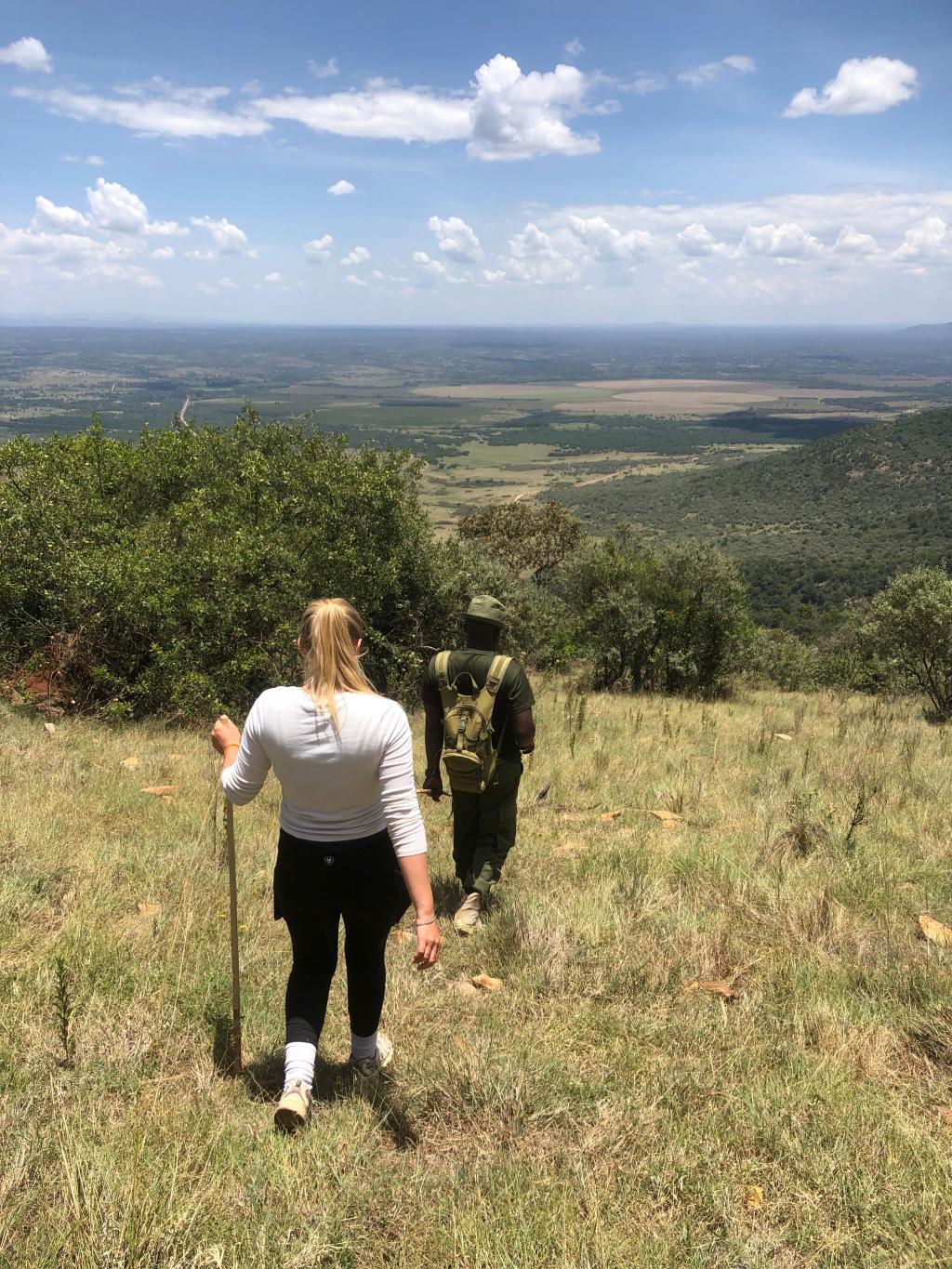
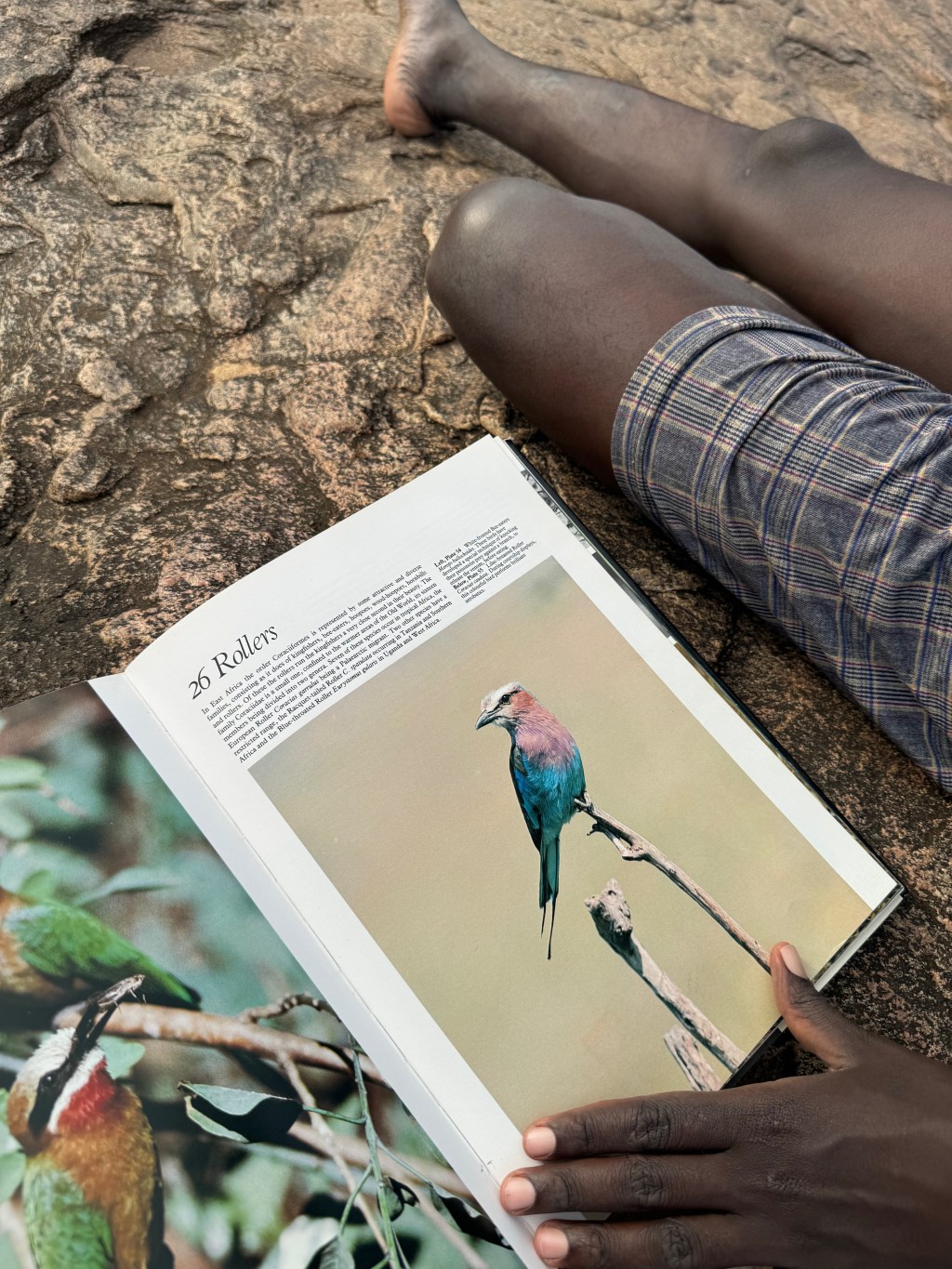
From a vehicle you see the big animals. On foot you notice everything else: a fresh print in the dust, a bird that won’t stop calling, the smell of a leaf John crushes between his fingers to show you what it’s used for.
For a few hours you move at the pace of the landscape. Every sound is sharper, and you start to understand how the place works.
On foot
What you’ll do on a walk
Read the tracks
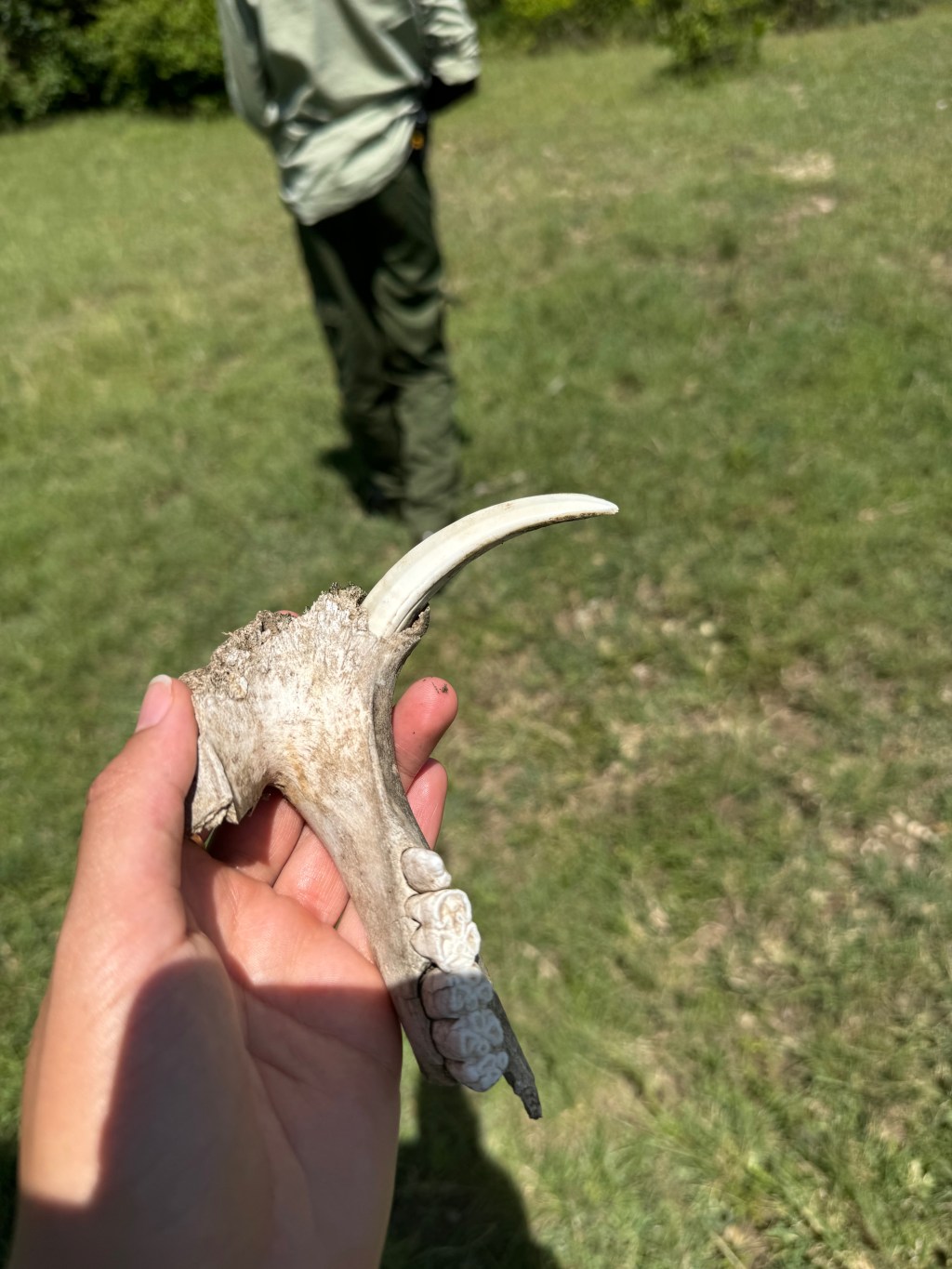
Who walked here, which way, and how long ago. By the end of the morning you’ll be guessing too.
Watch quietly
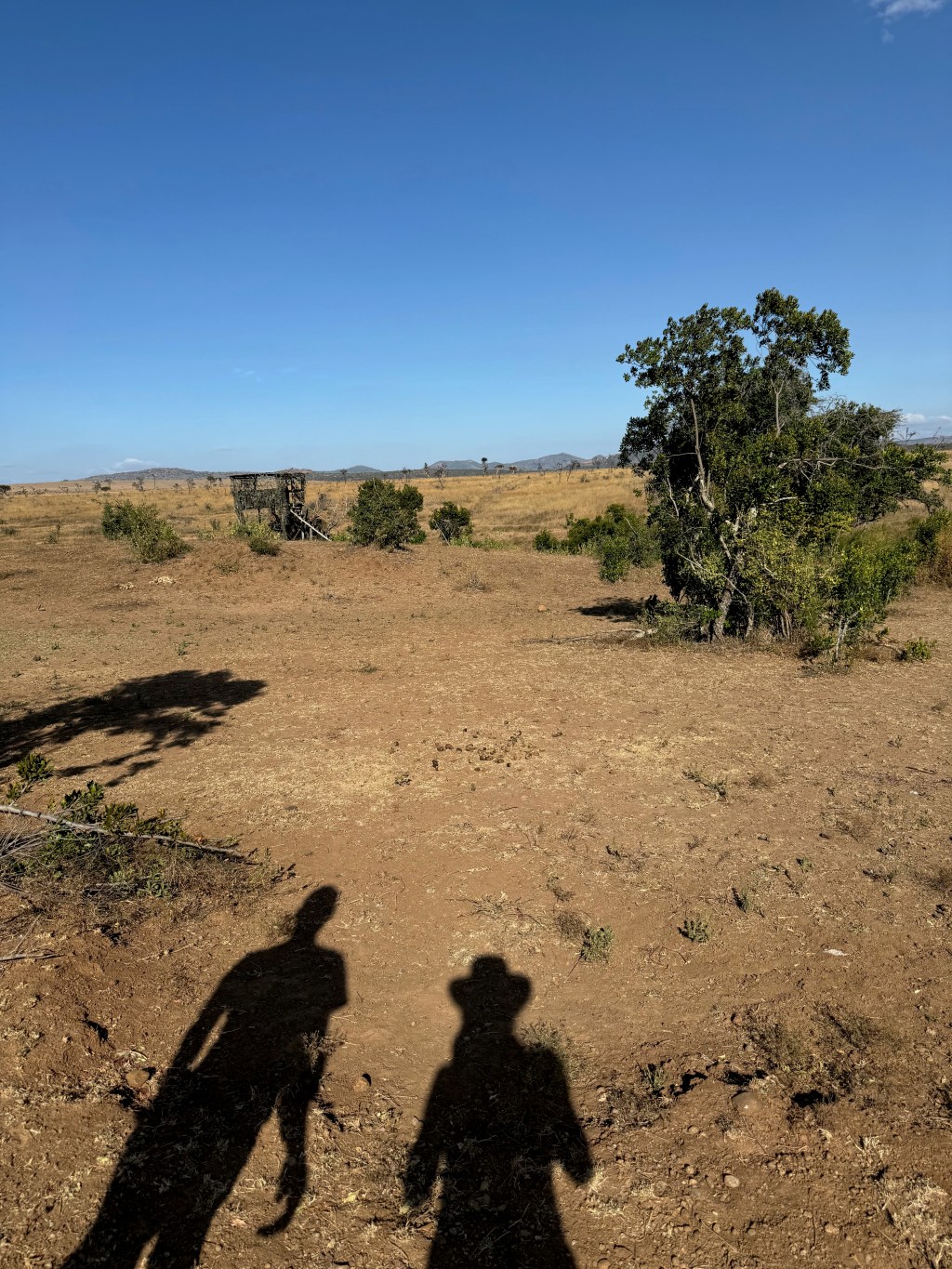
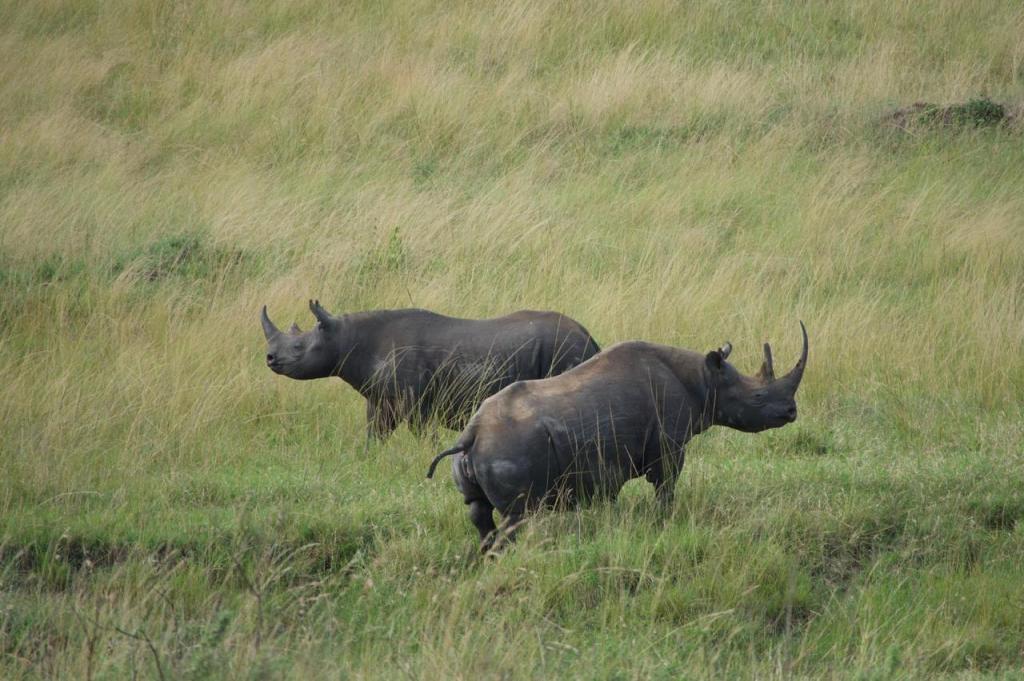
Giraffe, zebra, antelope and sometimes elephant, seen from a respectful distance and on their terms.
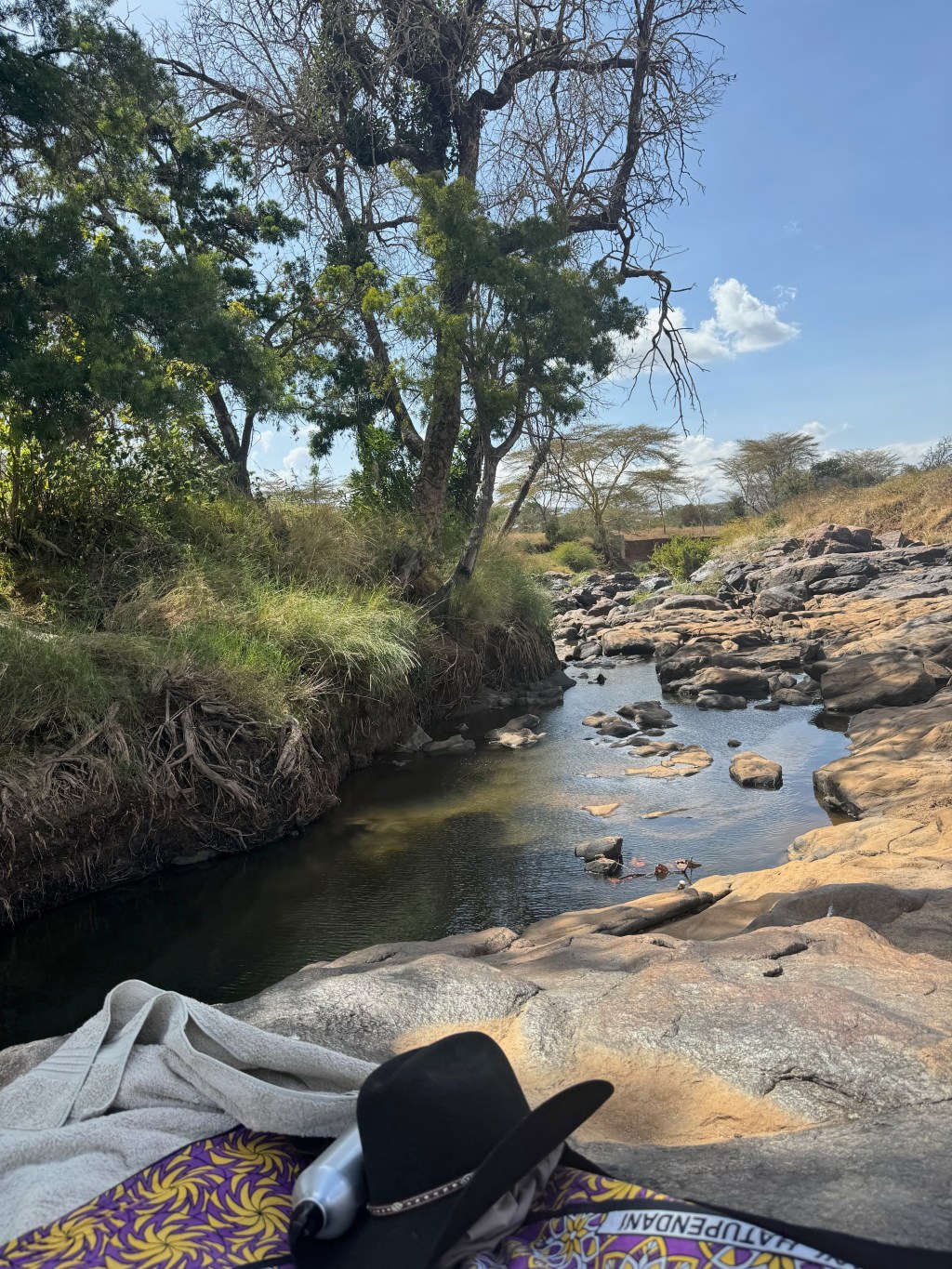
Go where cars can’t
Remote valleys, riverbeds and patches of forest you can only reach on foot.
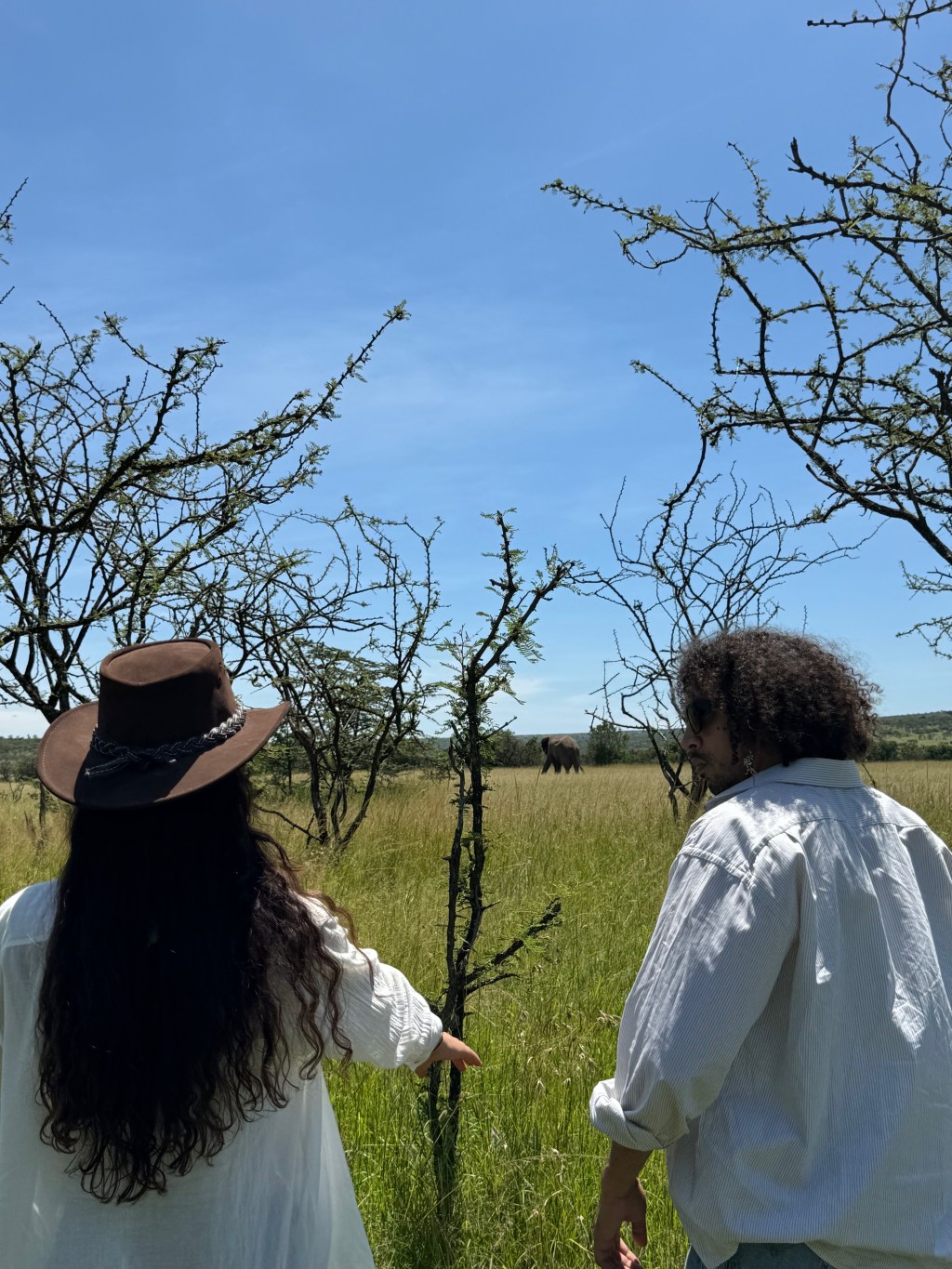
Learn the plants
Which plants feed the animals, which ones heal, and how people here have used them for generations.
Your guide
Walking with John
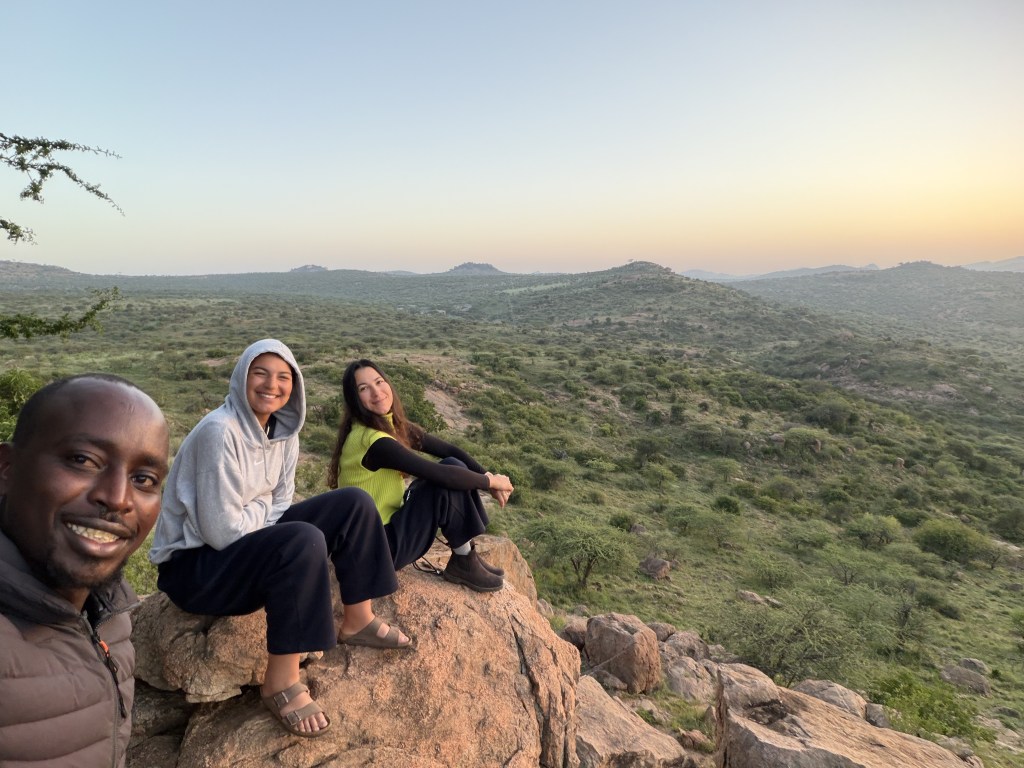
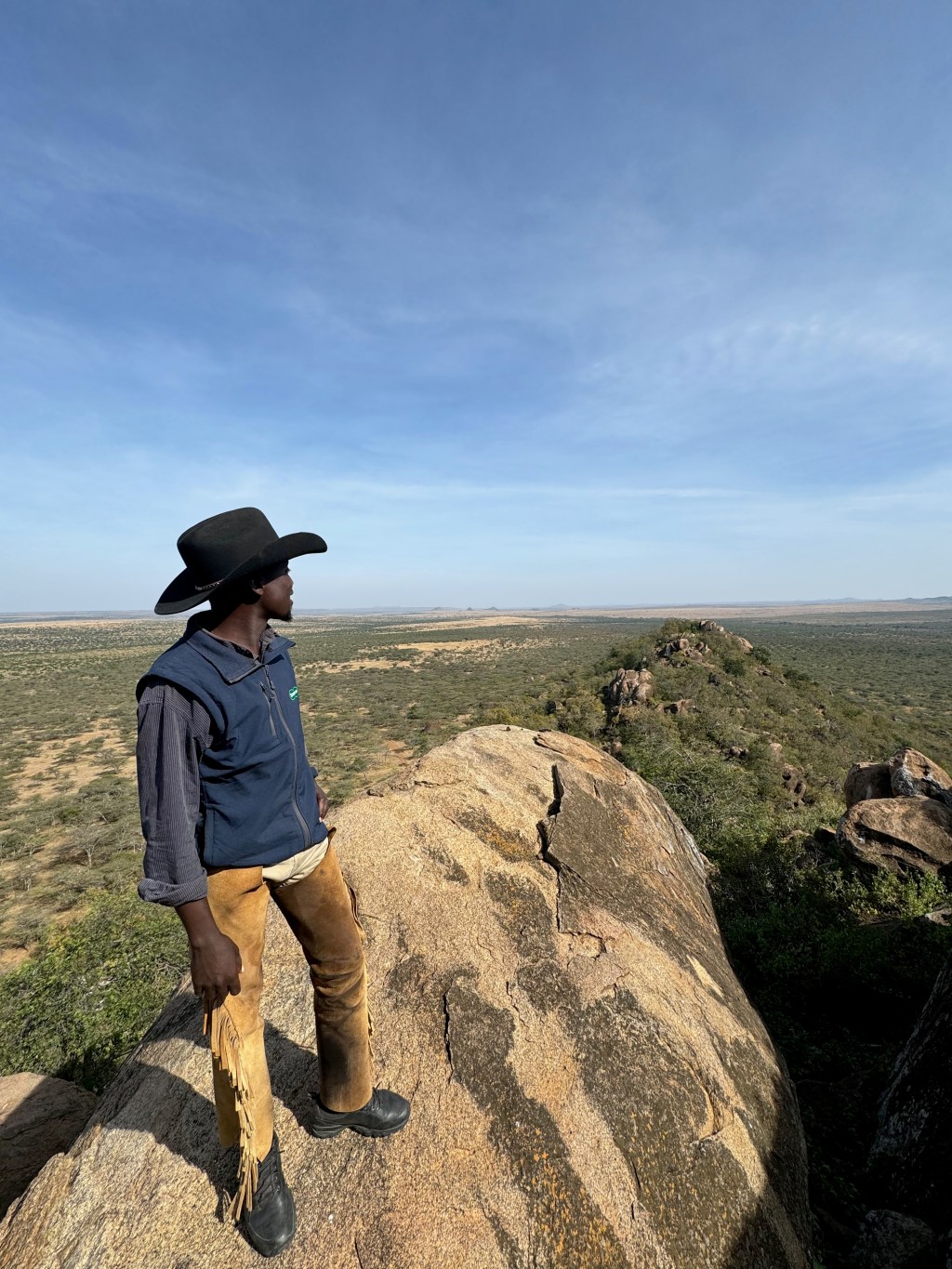
John is certified by the Kenya Professional Safari Guides Association (KPSGA) and has guided in Kenya for more than seventeen years. He grew up in Laikipia among wildlife, and the bush has been his classroom ever since.
He talks when there’s something worth explaining and goes quiet when there’s something worth hearing.
Walks take place in the conservancies and parks that allow them, alongside their own rangers where needed. A walk can take a morning, or be one part of a longer safari.
On foot

Mix and match
Other ways to explore
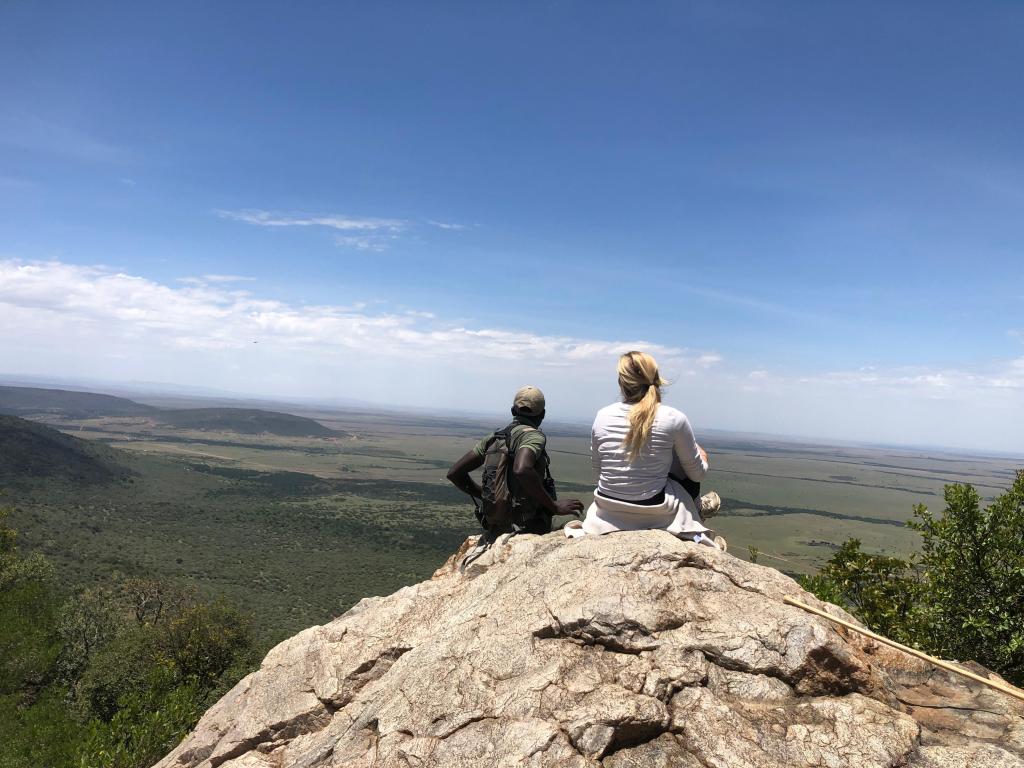
Because John builds every trip from scratch, one safari can mix riding, walking and game drives in different places.

Horseback safaris
Ride alongside giraffe and zebra, far from the roads.
Plan your safari
Plan a walk with John
Tell us when you’re coming and how active you’d like to be. A walk can stand on its own or be added to a riding or game-drive safari.

